

Best Types of Personal Lubricants 2026: How to Choose the Right Lube for Your Body, Condoms, and Toys
Choosing the best personal lubricant is less about hype and more about matching the formula to your real setup, condoms, toys, sensitive skin, shower sex, or anal play. This lubricant guide breaks down the main types of lube (water-based, silicone, hybrid, and oil), explains how to use lube without irritation, and shows what to avoid if lube burns.

Content
Personal lubricant (or just lube) is a gel or liquid designed to reduce friction during sex, masturbation, or toy play. If sex feels dry, draggy, or uncomfortable, lube usually fixes the problem faster than changing positions or trying to push through it. It can also make good sexual acts feel better, because less friction often means less irritation and more control over pace.
- Using latex condoms? Stick with water-based or silicone-based lube. Avoid oils, they can damage latex.
- Using silicone toys? A water-based personal lubricant is the safest default.
- Need something long-lasting? Silicone-based lube usually lasts longer than water based.
- Planning anal sex? Choose a thicker, longer-lasting lube and use more than you think you need.
What Is Lube and What Does Lubricant Do During Sex?
It’s a personal lubricant that reduces friction during sex, masturbation, or sex toys, so penetration feels smoother and more comfortable. It helps when natural lubrication isn’t enough, and it can also boost sexual pleasure by making movement feel more controlled and less grabby. If sex feels dry or sharp, the right lube often turns painful sex into comfortable sex acts fast.
What lube does
- Reduces friction on sensitive skin and mucous membranes
- Makes penetrative sex feel smoother and less irritating
- Helps prevent hot spots where rubbing turns into stinging
- Improves glide with sex toys, suitable for oral sex
- Makes longer sessions of sexual intercourse feel more comfortable
- Improves sexual health
Where lube matters most
- Vaginal sex: usually at the vaginal opening and along the vaginal walls, especially with vaginal dryness
- Anal sex: lubrication is critical because the rectum doesn’t create natural lubrication the way a healthy vagina can
- Sexual play with toys: a thin layer of water-based lube can dramatically improve comfort and control on many sex toys
Natural lubrication changes for normal reasons: stress, hydration, medications, postpartum recovery, menopause, and shifting estrogen levels. Even if you usually don’t need lube, you can still experience vaginal dryness in specific moments, like switching positions, using condoms, or having longer sessions.
How Do You Use Different Types of Lube?
Lube works best when you apply it early and reapply before things start feeling dry or grabby. You don’t need a lot to start, use a small amount, test how it feels, and add more until everything moves smoothly. If you’re using condoms or toys, where you place lube matters as much as the type you choose.
How to use lube for vaginal lubrication:
- Warm a small amount between your fingers, then apply it to the vaginal opening and the area that feels dry first.
- Add a little to the penis or toy surface so both sides glide, not just one.
- If you start to feel tugging, add more before it turns into irritation.
How to use lube for anal sex:
- Apply more than you think you need, because friction builds quickly during anal play.
- Use lube on the outside and on the toy or penis, then add more as needed.
- If anything stings or feels sharp, stop and reset with more lubrication rather than pushing through.
Guide how to use lube with condoms:
- After the condom is on, apply lube to the outside to reduce condom breakage from friction.
- If you want extra comfort, some people add a tiny amount inside the tip before rolling it down but keep it minimal so the condom stays secure.
- For latex condoms, avoid oil-based lubes, because oils can weaken latex.
How to use lube with sex toys:
- Start with a thin layer on the toy and the body area you’re using it on.
- For toys from silicone, water-based lubricants are usually the safest default for compatibility.
- Clean the toy after use according to the toy’s material and the lube type (we’ll cover clean-up and lasting time later).
If lube consistently burns or you keep getting vaginal irritation, treat that as a signal to change the product and consider checking in with a healthcare professional, comfort is the baseline, not the bonus.
Which Type of Lubricants Should I Use: Water-Based vs Silicone vs Hybrid vs Oil?
The best lube depends on what you’re doing and what you’re using it with. Water-based personal lubricants are the safest all-around option for most bodies and most sex toys, while silicone-based lube usually lasts longer and works well for shower sex and anal play. Oil based lubricants can feel great, but they’re the riskiest choice for condoms, especially latex, which oils can weaken.
| Lube type | Best for | Feel & texture | How long it lasts | Clean-up | Safe with latex condoms | Safe with silicone sex toys | Sex in shower | Main watch-outs |
| Water-based | Everyday vaginal sex, most sex toys, beginners, sensitive skin (often) | Light to medium; can feel tacky when it dries | Short to medium (reapply more) | Easiest (water rinse) | Yes | Best default | Usually rinses away | Can dry out; some formulas irritate if you’re sensitive to certain ingredients |
| Silicone-based | Long sessions, anal sex, sex in water | Very slick, “silky,” stays slippery | Long | Harder (soap helps) | Yes | Often not recommended (silicone-on-silicone risk) | Best | Avoid with toys from silicone unless the toy brand says it’s compatible; can be harder to fully wash off |
| Hybrid (water + silicone) | Middle ground: water feel with longer glide | Slicker than water, lighter than full silicone | Medium to long | Medium | Usually yes | Treat like silicone for silicone toys | Often good | Compatibility depends on the formula; check product notes |
| Oil-based | Long glide for external play when condoms are not involved | Rich, slippery; can feel heavy | Long | Hardest (can stain) | No (latex risk) | Not a safe default | Can work | Not compatible with latex condoms; mess/stains; higher irritation risk for some |
Thick gel can be great for anal sex or painful sex caused by friction, thinner liquid lubes spread faster and feel lighter for vaginal sex.
What Is Water-Based Type of Lube Best For?
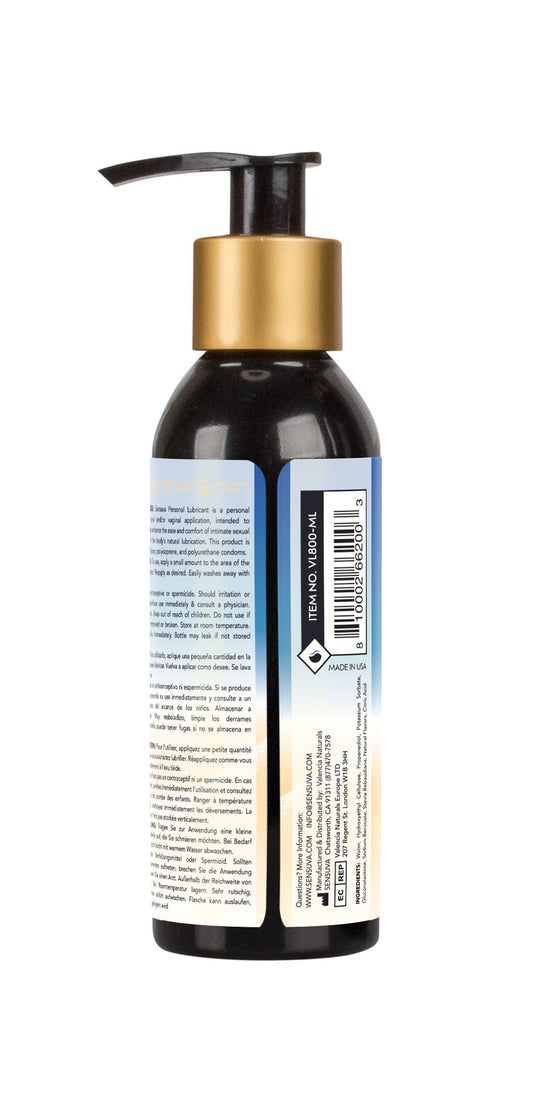
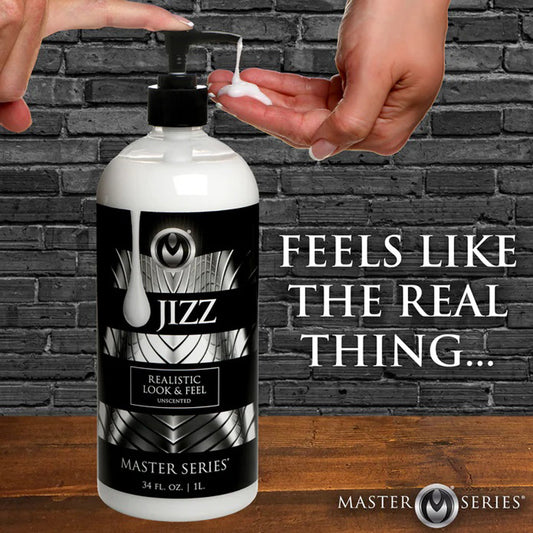
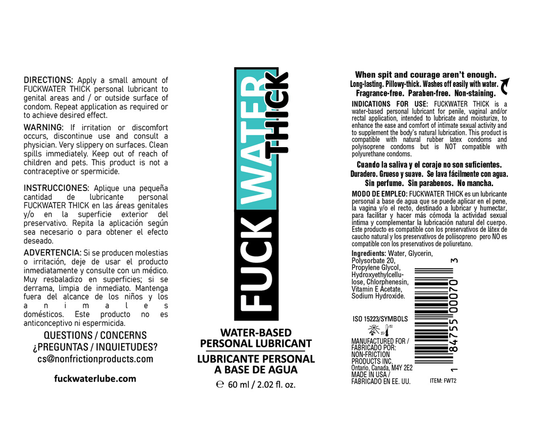
A water-based lubricant is usually the best starting point if you want a lube that works for most people, most sex toys, and easy cleanup. It’s especially helpful for vaginal dryness and for anyone with sensitive skin who wants a simple formula. If you’re not sure what kind of lubricant to buy, water-based is the low-risk choice. It also doesn’t stain sheets that much.
Best uses for water-based lubes
- Sex toys: Water-based is the safest default for silicone toys and mixed materials.
- Vaginal sex: Great for everyday comfort, especially if you experience vaginal dryness.
- Condoms: Water-based lube is compatible with male and female condoms in general use.
Trade-offs to expect
- It can dry out: Water-based lube may need reapplication during longer sexual intercourse.
- It can feel sticky if it dries: That tacky feeling is usually a signal to add more lube, not push through it.
Who tends to love water-based
- People who want vaginal lubricants that wash off with water.
- Anyone using silicone sex toys regularly.
- People who get irritated easily and want to keep ingredients simple.


What Is Silicone Lube Best For and When Should You Avoid It?
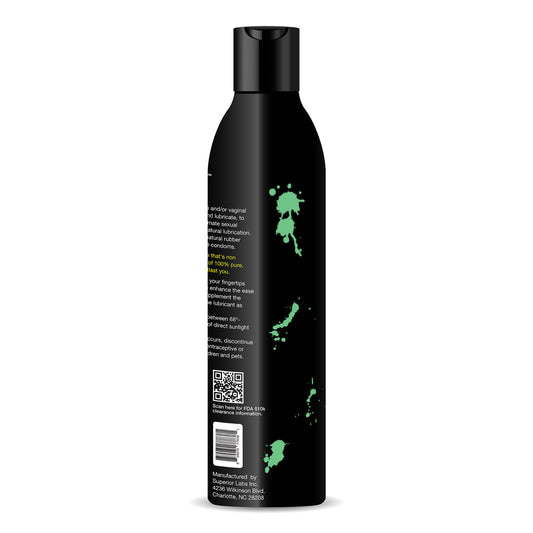
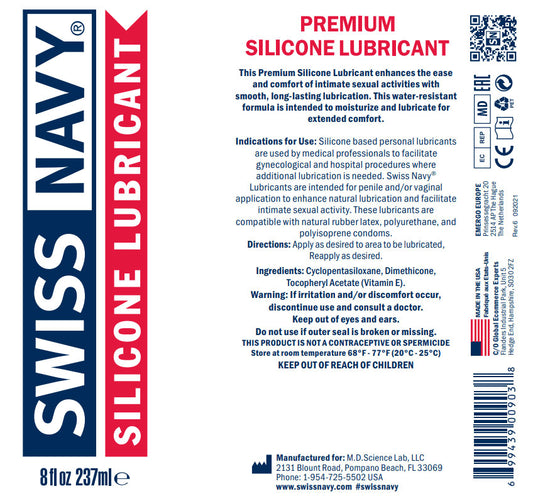
Silicone lube is best when you want long-lasting glide with minimal reapplication. It’s a favorite for anal sex and shower sex because it stays slippery even with moisture. You should avoid it for direct contact with silicone sex toys, because some silicone lubes can interact with silicone materials over time.
- Long-lasting sex: Silicone typically lasts longer than water-based.
- Anal play: Many people prefer silicone for its steady glide.
- Shower sex: Silicone doesn’t rinse away as easily as water-based formulas.
Many sex educators and brands warn that silicone lube can degrade silicone sex toys, making the surface feel gummy or sticky over time. If you’re using a silicone toy, a water-based lube is usually the safer default.
Planned Parenthood’s general guidance is that water-based or silicone lube is safe to use with condoms, while oils are not. If you’re using a specific condom material and you want zero guesswork, check the condom packaging too.



Are Hybrid and Oil-Based Lubes Actually Worth It?
Hybrid lubes can be worth it if you like the easy spread of water-based but want more staying power. Oil-based lubes can feel silky and long-lasting, but they’re the hardest to use safely because they don’t play nicely with condoms from latex and can be messy to clean up. If condoms are part of your sex life, oil-based should be a deliberate choice, not an accidental one. Treat toy compatibility the same way you would with silicone if your toys are silicone-based (always check toy instructions).
Oils can weaken latex condoms or polyisoprene condoms, which raises the risk of condom breakage. That includes many DIY options people reach for, like coconut oil or olive oil.
So, when does oil-based make sense?
- No latex condoms, no toys from silicone, and you know your body tolerates it.
- You’re okay with harder cleanup and possible fabric stains (oil-based tends to linger).


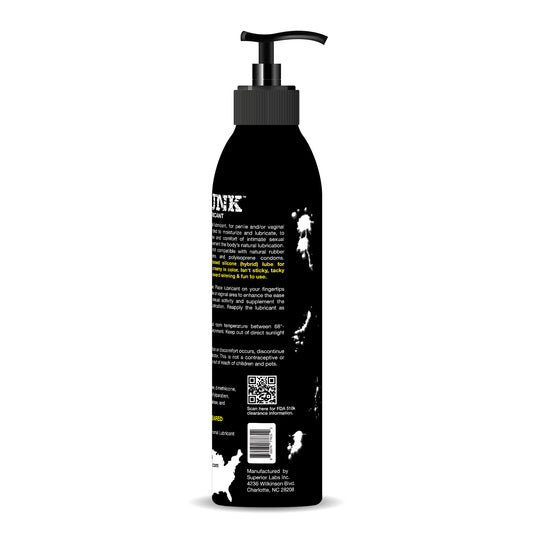

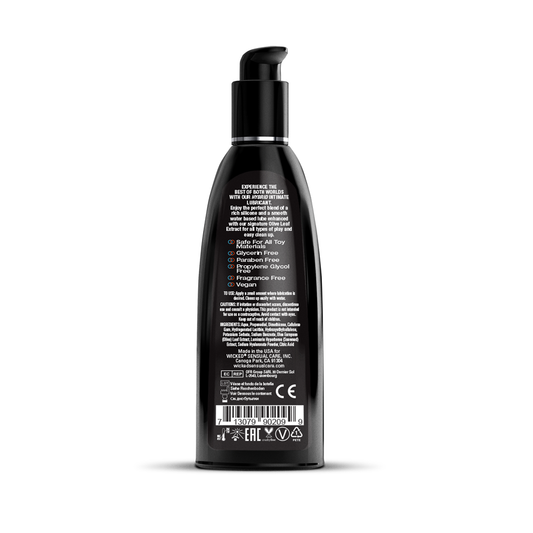
Types of Lube by Scenario: What’s the Best Lubricant for Your Use Case?
The best lube isn’t one universal bottle, it’s the one that matches your body, your plan (condoms, toys, anal play, shower sex), and how sensitive your skin is. Before the specific scenarios, here’s a fast way to narrow down options without memorizing chemistry:
- Want easy cleanup + broad compatibility? Start with a water-based lubricant.
- Want long-lasting glide (including shower sex)? Consider silicone-based lube.
- Using latex condoms? Avoid oil-based lubes, oils can weaken latex.
- Using silicone sex toys? Default to water-based unless your toy maker explicitly says silicone lube is safe.
What’s the Best Lube for Condoms?
The best lube for condoms is a water-based or silicone-based lube, because these are broadly compatible with condom use, while oils can create problems, especially with latex condoms. This matters because reducing friction isn’t only about comfort; it also helps lower the chance of condom breakage during sex.
- Pick a water-based lube if you want lighter feel, easy cleanup, and low drama for most situations.
- Pick a silicone-based lubricant if you want longer-lasting glide and fewer reapplications.
- Skip oil-based lubricants if you’re using latex condoms, because oil can degrade latex.
How to use lube with condoms
- Put the condom on first.
- Add lube to the outside of the condom to reduce friction.
- For extra comfort, some people add a few drops inside the tip before rolling it down but keep it minimal so the condom stays secure.
Materials like polyisoprene may have their own packaging guidance. When you want zero guesswork, follow the condom maker’s compatibility notes and still avoid oils unless the packaging explicitly says it’s fine.

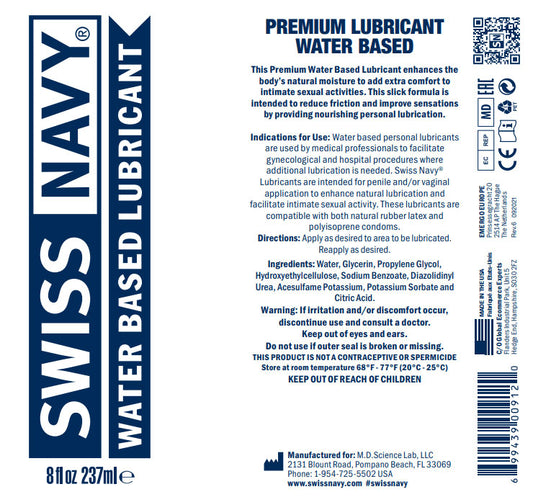

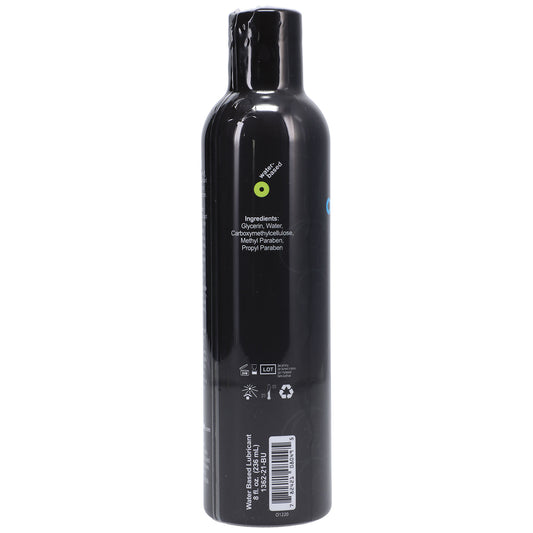

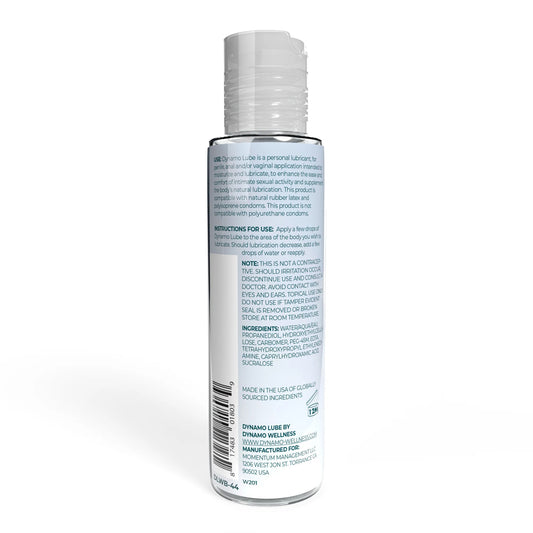
What’s the Best Lube for Sex Toys?
The best lube for sex toys is usually a water-based lube, because it’s the safest default across toy materials and less likely to cause issues with silicone surfaces. This is about protecting your toy and your body: a compatible lube helps toys glide smoothly without creating drag or leaving residue that’s hard to clean.
Pick based on your toy material
- Silicone sex toys: choose water-based lubes as your first option.
- Glass or metal toys: water-based or silicone-based both work; choose based on feel and cleanup preference.
- Mixed-material toys: water-based is the safest, those work with almost everything.
Useful tips for lube for sex toys
- If a toy feels like it’s dragging, you need more lube or a slicker formula.
- If lube feels sticky, it’s often drying out, add more or try a different water-based formula next time.
- If you’re swapping between toys and penetrative sex, a water-based option makes transitions easier because it cleans up faster.
What’s the Best Lube for Anal Play?
The best lube for anal sex is one that stays slick, feels cushioning, and doesn’t dry out quickly, because anal tissues don’t provide natural lubrication the way vaginal tissues can. For many people, that points to silicone lube for long-lasting glide, but a thicker water-based formula can also work if you’re willing to reapply more often.

What to look for
- Thicker texture: gel or cushiony formulas can reduce the sharp friction feeling.
- Long-lasting glide: fewer reapplications makes it easier to relax.
- Condom and toy plan: if you’re using condoms, avoid oils; if you’re using silicone-based sex toys, water-based may be safer.
How much lube to use for anal play
More than you think. If it starts feeling dry or scratchy, stop and add more—pushing through is how irritation happens.
If you’re combining anal sex with condoms, water-based or silicone-based is the safer lane. Oil based lubes are the lane to avoid with latex.
If a product is labeled as an anal lubricant, it’s often thicker by design. If it isn’t, you can still choose a thicker texture (gel) and plan on reapplication.


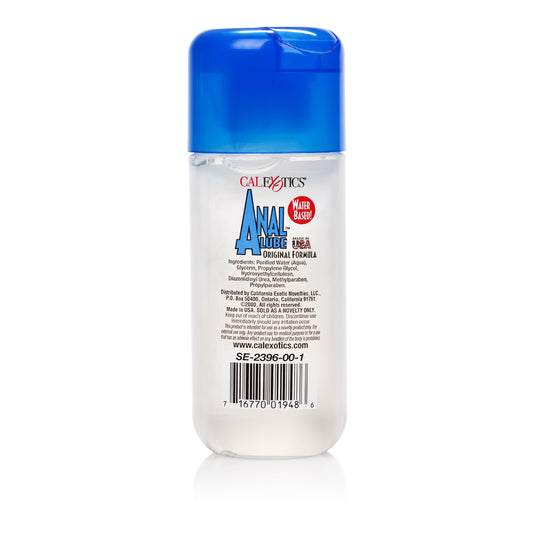
What’s the Best Lube for Sensitive Skin, Burning, or Frequent Irritation?
The best lube for sensitive skin is usually a water-based lubricant with a simple formula: no fragrance, no dyes, and no extra sensations. If lube burns, the goal isn’t to get used to it, it’s to switch to a gentler option and reduce the common triggers that cause irritation for some bodies.

What to choose first
- Unscented, dye-free water-based lube as the baseline.
- If water-based keeps drying too fast, try a different water-based formula before jumping types.
- If you need longer-lasting glide and you’re not using toys from silicone, this material can be an option, just clean up thoroughly.
What to avoid when you’re irritation-prone
- Strong fragrance and added effects are common culprits.
- If you’ve had issues with burning before, treat minimal ingredients as a feature, not a boring limitation.
Practical testing that saves you misery
- Patch-test on external skin first.
- Use a small amount on day one.
- If you feel burning or stinging, stop and rinse with water, then switch products.



What’s the Best Lube for Vaginal Dryness (Including Menopause and Postpartum)?
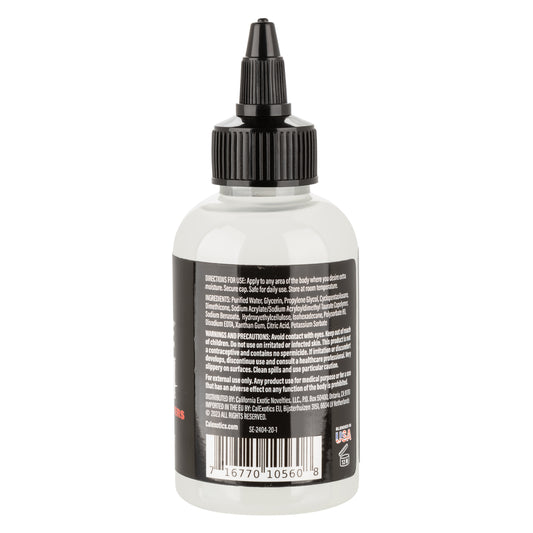
The best lube for vaginal dryness is the one that restores comfortable glide without irritating vaginal tissues. Gentle water-based vaginal lubricants are often the easiest starting point for regular vaginal sex, while silicone-based lubricants can feel better for longer sessions because they don’t dry out as quickly. If dryness is tied to menopause, postpartum recovery, or medication changes, lube can make sex comfortable again while you figure out the bigger picture with a healthcare provider if needed.
Dryness can be tied to hormonal shifts and tissue sensitivity. Lube helps reduce friction right now, but persistent pain or recurring irritation is worth a medical check-in, especially if sex stays painful even with plenty of lubrication.
Why Does Lube Burn and What Ingredients Should You Avoid?
Lube should feel neutral or pleasant. If it burns, stings, or feels hot, that’s usually a sign of irritation from friction, an ingredient your body doesn’t like, or a mismatch between the product and the tissues you’re using it on (vaginal vs anal). If lube burns - rinse it off, switch products, and choose a formula built for sensitive mucosa. Burning can also show up when a lube dries out mid-sex and turns tacky, which increases friction again. That’s why the right lube is partly chemistry and partly simple behavior: apply earlier, use enough, and reapply before things start dragging.
pH and Osmolality: What They Mean
pH and osmolality are two reasons a lube can feel fine on skin but irritating on vaginal or anal tissues. pH is how acidic or neutral a product is, and osmolality describes how concentrated it is. Very high osmolality can pull water out of cells, which may irritate mucosal tissue. The World Health Organization has published specifications and guidance around safer lubricant characteristics, and researchers often reference pH and osmolality when discussing irritation risk.
- Vaginal tissues are usually happier with products formulated for vaginal use. Vaginal pH is naturally acidic, and some pelvic health resources note that rectal use has different pH considerations.
- Very high osmolality has been linked in research discussions to epithelial irritation and barrier disruption. You won’t always see osmolality listed on the label, but it’s one reason simple, gentle formulas can feel better for sensitive people.
- If you’re irritation-prone, treat pH-balanced and low-irritant positioning as useful signals, not marketing proof. The most reliable test is how your body responds in small amounts.
Common Irritants: Fragrance, Dyes, Glycerin, and Extra Additives
The most common advice about ingredients to avoid in lube across sex-health educators and mainstream health sources is consistent: avoid fragrance and special effects and be careful with formulas that include ingredients you already know your skin dislikes. What tends to cause problems for a meaningful chunk of people:
- Fragrance and dyes: frequent suspects for sensitive skin and vulvar irritation.
- Warming/tingling agents and novelty additives: “it burns because it’s warming” is not a feature for many bodies, it’s just irritation.
- Glycerin (and other sugar-adjacent humectants): some clinicians and consumer health sources flag it as a potential issue for people who are yeast-prone, and it shows up more in certain specialty formulas.
What to do in the moment if it burns:
- Stop.
- Rinse with plain water.
- Don’t try to balance it out with soap or random products.
- Switch to an unscented, simpler formula next time.
If You’re Prone to Yeast Infections or UTIs, What Should You Do?
If you keep getting vaginal infections (such as bacterial vaginosis), BV, or UTIs and you suspect lube plays a role, your best move is to simplify variables. Start with a gentle, unscented water-based lubricant, avoid novelty additives, and change only one thing at a time so you can tell what your body actually tolerates.
- Treat recurring burning as a compatibility problem, not a willpower problem. Some lubes irritate some bodies; switching is normal.
- If yeast is a frequent issue, consider avoiding glycerin-containing water-based formulas. It’s a common recommendation in consumer health guidance for yeast-prone users.
- Keep friction low. Even good products can burn if there isn’t enough of them and tissues get irritated; reapply before dryness returns.
If you have persistent pain, unusual discharge/odor, bleeding, or burning that keeps coming back no matter what you use, it’s worth talking to a healthcare provider. Lubricant can improve comfort, but it can’t diagnose what’s actually happening.
How Long Does Lube Last and How Do You Clean It Up?
How long lube lasts depends mostly on the base: water-based lube tends to dry out faster and needs reapplication, while silicone lube usually stays slippery longer. Clean-up is the opposite: water-based formulas rinse off easily, and silicone-based lubricants often need soap and a little more time.
What Affects How Long Lube Lasts
- Type of lube: Water-based lubricants can evaporate or absorb into skin during longer sexual activity, which is why they may turn tacky. Silicone based lube doesn’t evaporate the same way, so it often stays slick longer.
- Amount used: Using too little is the fastest way to end up with friction and irritation. If you feel drag, you need more lube—regardless of the type.
- Water exposure: During sex in shower, water-based lubes can rinse away. Silicone lubes are more resistant to water.
When to reapply
Reapply as soon as sex starts feeling dry, sticky, or sharp. Waiting until it hurts makes irritation more likely. For many people, the best habit is to add a little more lube before switching positions or changing speed, because those are the moments friction spikes.
How to clean lube off skin
- Water-based: warm water is often enough; mild soap helps if you feel residue.
- Silicone-based: use mild soap and warm water; silicone can cling to skin more than water-based.
- Oil-based: oils tend to leave a film, so you’ll usually need soap and patience.
How to clean lube off sheets and clothing
If you care about your sheets, treat lube like a stain you handle early:
- Blot excess first (don’t rub it deeper).
- Rinse with cool water if it’s water-based.
- For silicone or oil-based products, use a small amount of dish soap on the spot before washing, because it breaks down slick residue.
What Can Be Used as Lubricant and Why DIY Options Can Be Risky?
If you’re wondering what can you use instead of lube, the honest answer is: there are household products that feel slippery, but many are risky for condoms, irritating for vaginal tissues, or hard to clean off the body. Commercial lubricants are made for mucous membranes and sexual activity; most DIY substitutes are not. If you want it to be safe, the best move is usually to buy an actual personal lubricant, especially if condoms, sensitive skin, or vaginal irritation are part of the picture. Oils can create long-lasting glide, which is why people reach for coconut oil or olive oil. The problem is compatibility and irritation, not slipperiness.
- Oil can weaken latex condoms, increasing the risk of condom breakage. That includes many common DIY picks, like baby oil and kitchen oils. If you’re using latex condoms, oil-based is the wrong lane.
- Oils can also be messy and hard to wash off, which can trap residue against skin and contribute to irritation for some people.
Common substitutes and the real issues
People often ask what they can use instead of lube and mean one of these:
- Coconut oil / olive oil / vitamin E oil / mineral oil: slippery, but not condom-friendly with latex and not a safe default for vaginal lubricants.
- Lotions, petroleum jelly, body creams: not designed for internal tissues; can irritate and are difficult to clean fully.
- Saliva: dries quickly, doesn’t reduce friction for long, and can make irritation worse during longer penetrative sex.
We don’t recommend using non-lubricant substitutes for sex. DIY options like oils, lotions, petroleum jelly, or saliva can be risky for vaginal and anal tissues, can increase irritation, and can create compatibility problems, especially with latex condoms. If you need lubrication, a simple, unscented water-based personal lubricant is the safest starting point in most situations.
Final Thoughts
The best personal lubricant is the one that matches your real setup: your body, your sensitivity level, and whether you’re using condoms, sex toys, or planning anal sex. A water-based personal lubricant is the safest default for most people and most silicone toys.
A silicone-based lubricant is often the easiest win when you want longer-lasting glide, especially for sex in water or anal, just avoid pairing it with silicone sex toys unless the toy brand says it’s compatible.
If lube burns, treat that as useful feedback: rinse, switch to a simpler formula, and avoid common irritants like fragrance and novelty additives.