

What Are Kegel Balls and How to Use Them Safely
~13 minutes to read

Content

This guide walks through the practical side: what these devices are, what the research can and cannot say about them, how to choose one, how to use it without drama, and when a cautious no is the right answer.
What Are Kegel Balls, and How Do They Differ from Ben Wa Balls and Yoni Eggs?
"Kegel balls," "vaginal balls," "vaginal beads," and "Ben Wa balls" are often used interchangeably in marketing, but they are not always the same object. Ben Wa balls historically refer to small spheres inserted for sensation or light muscular awareness, sometimes linked by a cord, sometimes loose. Kegel balls is the more exercise-oriented branding: the implication is pelvic-floor engagement, though many products sold under that name are simply recreational.
Yoni eggs are a different category altogether. These are typically solid, egg-shaped stones (rose quartz, jade, obsidian) marketed with wellness or spiritual language rather than clinical backing. They are not interchangeable with silicone or steel Kegel balls, and there is no standardized evidence base treating them as a pelvic-floor training device.
Then there are weighted vaginal cones, the clinical version of this idea. These are standardized, single-piece devices used in physical therapy research, with graduated weights a person learns to retain while standing or moving. A consumer set of linked Ben Wa balls bought online is not the same product, has not necessarily been tested the same way, and shouldn't be assumed to carry the same evidence.
Why Do People Use Kegel Balls, and What Does the Evidence Say?

People reach for these devices for a few different reasons: as a feedback tool to notice pelvic-floor engagement, for sexual sensation during wear or sex, or out of curiosity about toning claims they've seen online. The evidence behind each reason is uneven.
A Cochrane review on weighted vaginal cones found they may be more effective than no treatment at all for some women with stress urinary incontinence, though the review also noted that the evidence is limited and that larger, higher-quality studies are needed before firmer conclusions can be drawn. A separate review of 23 randomized trials involving 1,806 women found fewer incontinence symptoms with weighted cones compared with no treatment. That same review, though, found no clear advantage for weighted cones over standard pelvic-floor muscle training performed without any device at all. In other words: a cone can help compared with doing nothing, but it doesn't appear to beat well-performed exercises on their own.
That distinction matters because kegel exercises don't require a toy. Pelvic-floor researcher Kari Bø's work on pelvic-floor muscle training has long emphasized correct technique and consistency over equipment. Supervised pelvic-floor training is considered a well-supported approach for some urinary symptoms, and guidance commonly recommends regular practice sustained over several months rather than a quick fix.
What the evidence does not support is the common marketing claim that simply wearing Ben Wa balls passively "tones" the vagina, burns calories, or permanently boosts sexual pleasure. That specific framing isn't well supported by clinical evidence. None of this means a person can't enjoy wearing one for sensation. It means the exercise claims and the pleasure claims are different conversations, and conflating them is where a lot of product copy goes wrong.
How to Use Kegel Balls Safely: Insertion, Wear, and Removal

The mechanics are not complicated, but a little structure helps, especially the first time.
Before you start
- Read the manufacturer's instructions for your specific device; materials and designs vary.
- Wash the device with warm water and a mild, unscented soap (unless the manufacturer specifies otherwise), rinse thoroughly, and dry completely.
- Inspect it for cracks, rough seams, sharp edges, or a loose, fraying retrieval cord. Don't use a device that shows damage.
- Wash your hands.
Insertion and wear
- Choose a comfortable position, lying down or standing with one leg raised often works well for beginners.
- Apply a water-based lubricant to the device and to the vaginal opening. Water-based is the practical default, since oil-based products can degrade some silicone; check the manufacturer's compatibility notes if unsure.
- Relax. Tensing up makes insertion harder, not easier. Gently guide the ball in, keeping the retrieval loop or cord outside the body at all times.
- Start with a short session, somewhere in the range of five to ten minutes for a first try, as a cautious starting point rather than a proven universal limit. Increase duration later only if it stays comfortable.
- The goal during wear is controlled awareness, noticing sensation or gentle engagement, not constant clenching or bearing down, which can fatigue the pelvic floor rather than train it.
Removal
Relax your body, bear down very slightly as if finishing a bowel movement, and draw the device out slowly by the retrieval cord. Never yank it, and never use another object to try to fish it out. If it feels stuck, stop, breathe, change position (squatting can help), and try again gently. Persistent difficulty removing a device is a reason to seek medical help rather than keep forcing it.
Choosing Kegel Balls: Materials, Size, Weight, and Design
Material matters more than most buyers realize, though it's not a simple checklist. Medical-grade silicone, stainless steel, and borosilicate glass from reputable manufacturers are generally nonporous and easier to clean thoroughly, but quality and finish vary between brands, so one product labeled "silicone" isn't automatically as easy to sanitize as another. Always follow the manufacturer's specific cleaning instructions rather than assuming all silicone behaves the same way. TPE and rubber are softer but often more porous, which makes them harder to fully sanitize and generally better suited to solo, single-user use. PVC and unlabeled "jelly" plastics are the ones to be cautious about: they're frequently porous, sometimes contain plasticizers, and manufacturers don't always disclose composition clearly. If a listing doesn't name its material specifically, treat that as a red flag rather than an oversight. And don't assume a product is "FDA-approved" unless that regulatory status is actually documented by the seller, since sex toys in general aren't subject to the same approval pathway as medical devices.
A simple decision path
- Beginners: a single, smooth, one-piece ball in a reputable, clearly labeled material such as medical-grade silicone. Comfort and control depend on individual fit more than size alone, so choose a size and weight that feels manageable to insert and hold, and stop or size down if insertion or wear causes discomfort.
- Exercise-focused users: consider a set with graduated weights, understanding that standardized clinical cone protocols (which often progress the heaviest weight a person can retain while standing and moving) differ from how most consumer sets are tested. Progress slowly rather than jumping to the heaviest option.
- Pleasure-focused users: textured surfaces, vibration, or linked multi-ball designs may add sensation, though linked designs can feel less stable for someone new to insertables.
- Sensitivities or relevant medical history: a conversation with a clinician or pelvic-floor physical therapist before buying anything is more useful than any product description.
Look for a secure, well-attached retrieval loop or handle, a smooth surface with no visible mold lines, and clear material labeling from the manufacturer. These details separate a well-made device from one that will be hard to clean or uncomfortable to retrieve. If you're shopping, Kegel and Ben Wa balls designed with a one-piece silicone body and a reinforced cord tend to be the easiest starting point, and the broader beginner-friendly category is worth browsing if this is your first insertable toy of any kind.

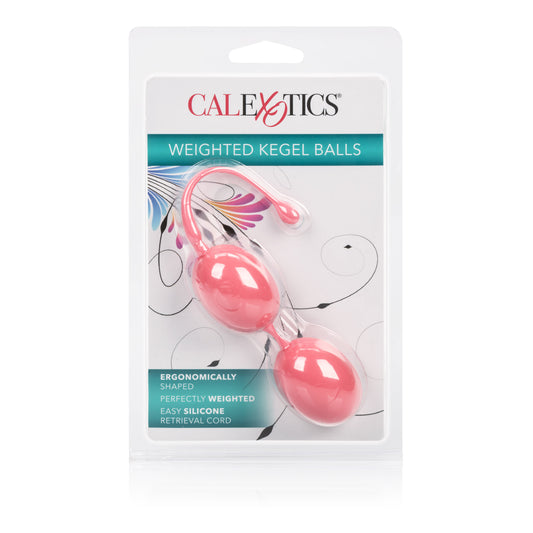

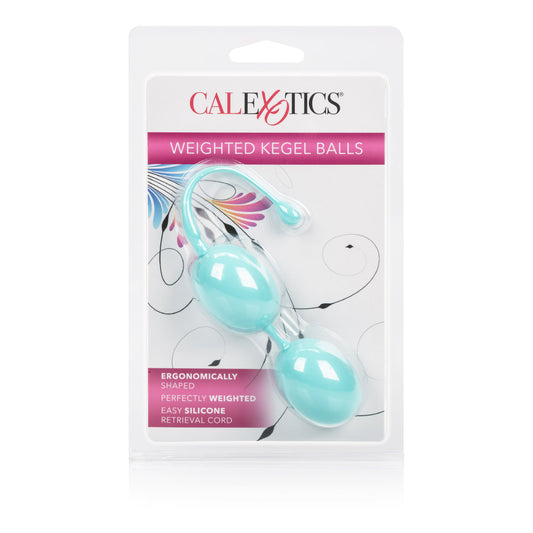

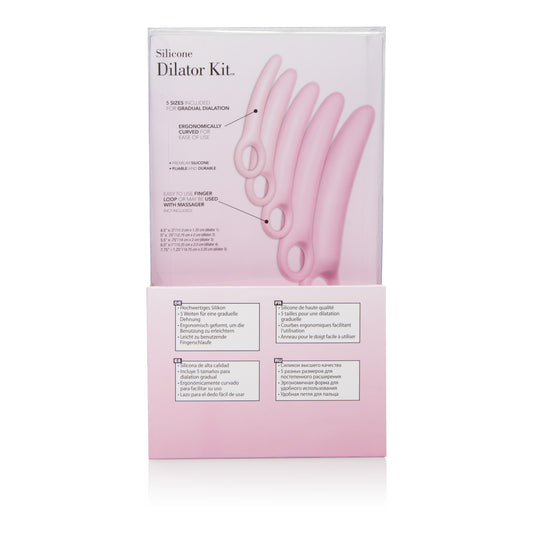
What Do Kegel Balls Feel Like?
Sensation is genuinely individual, which is part of why marketing promises in this category tend to overreach. Most people describe a sense of gentle pressure, fullness, or subtle movement as they walk or shift position. Weight, firmness, and surface texture all change that experience: a heavier ball produces more noticeable movement and gravity-based awareness, a softer silicone feels gentler against tissue, and textured or ribbed surfaces add friction that some people enjoy and others find distracting. Vibrating versions add a different, more active kind of stimulation rather than passive awareness.
None of this should tip into pain, burning, numbness, sharp cramping, or a heavy, persistent pressure that doesn't ease. Those are signals to stop and remove the device, not sensations to push through. A little trial and error is normal; ongoing discomfort is not.
Safety FAQs: How Long Can You Wear Them, Can You Sleep in Them, and When Should You Avoid Them?
Duration and overnight use
There is no established universal safe duration for recreational Ben Wa balls the way there is for some medical devices. Treating five to ten minutes as a cautious, non-evidence-based starting point rather than a hard medical rule gives beginners room to assess comfort before extending wear time. Sleeping in them is not recommended: without conscious awareness, it's harder to notice irritation developing. Remove the device if you notice irritation, and avoid use altogether during an active infection.
When to avoid use altogether
Active vaginal or urinary infection, unexplained bleeding, recent childbirth or pelvic surgery, pelvic organ prolapse, and diagnosed pelvic-floor conditions are all situations where this general guidance isn't enough, and individualized advice from a clinician or pelvic-floor physical therapist is the better path. Pregnancy on its own isn't automatically a reason to avoid vaginal insertables, but if there are pregnancy complications, activity restrictions, or any uncertainty about your situation, check with your OB-GYN or midwife first. Conditions involving pelvic-floor overactivity, vaginismus, or vulvodynia may actually worsen with added internal resistance, so adding a device without professional guidance isn't a neutral choice in those cases. If you have an IUD and have concerns about interaction with an insertable device, that's also a question for your clinician rather than a general article.
If the device is difficult to remove
Stop pulling, relax, try a squat position, and attempt removal again once your body has settled. If it still won't come out, or if you experience pain, bleeding, swelling, unusual discharge, odor, or difficulty urinating, contact a healthcare provider. These situations are manageable and not uncommon in clinical settings; they're not an emergency to panic over, but they do need attention rather than repeated force.
Practical Takeaways: How to Use Kegel Balls with Confidence
- Choose a smooth, one-piece device in a reputable, clearly labeled material (such as medical-grade silicone or steel) with a secure retrieval loop for your first try.
- Wash and inspect before every use, use water-based lubricant by default, and dry fully before storage.
- Start short, five to ten minutes, and extend only if it feels comfortable, not necessarily tighter or stronger.
- Store the clean, dry device in a breathable pouch away from heat and direct sunlight.
- If sharing a device between partners, use a new condom over it for each person and clean it between uses; never move a toy from anal to vaginal use without changing the condom and cleaning thoroughly in between.
- Treat active infection, unexplained bleeding, recent surgery, pelvic pain, or pregnancy complications as reasons to check with a clinician first, not reasons to guess.
This content is for informational and educational purposes only and does not constitute medical or therapeutic advice.